
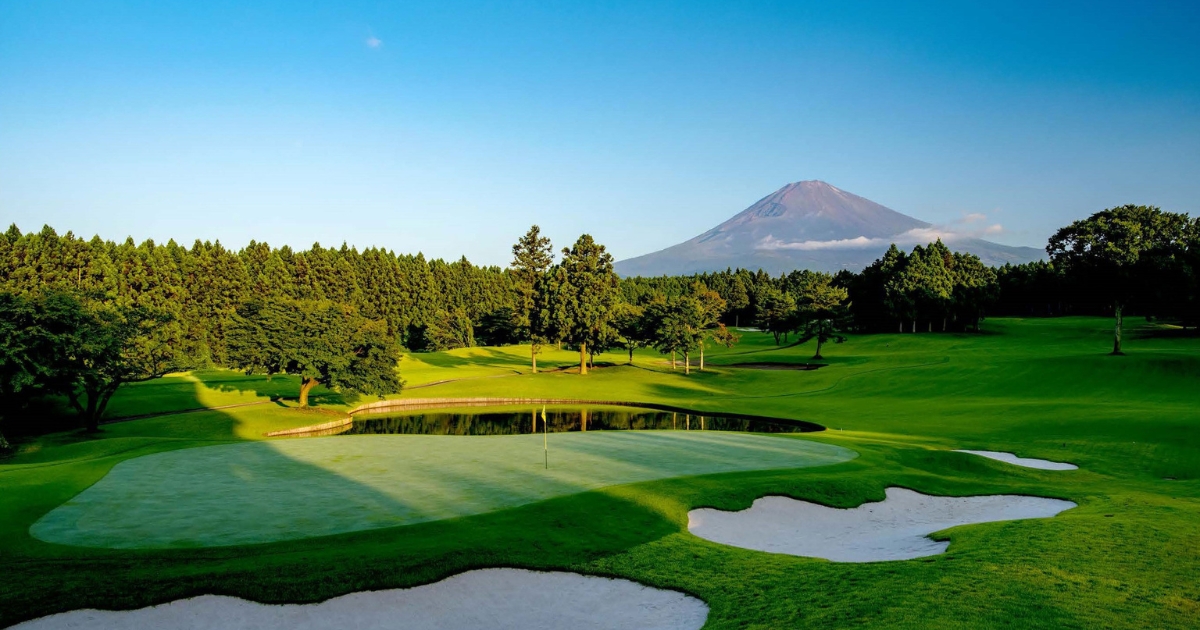
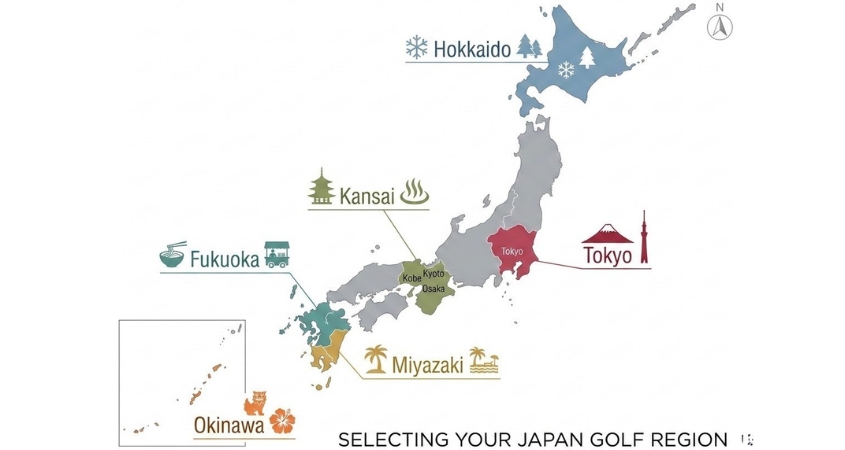
Japan is not one golf destination.
A Tokyo and Mount Fuji trip is very different from golf around Kyoto and Osaka. Hokkaido is at its best when much of central Japan is hot. Fukuoka works particularly well for repeat visitors who want golf and food. Miyazaki can be built around one outstanding course. Okinawa gives golfers a completely different option in winter.
For golfers travelling from Singapore, the useful question is not:
What are the best golf courses in Japan?
It is:
Which part of Japan creates the right golf holiday for your group – and which courses make that particular journey better?
Practical Notes for Singapore Golfers
- Singapore passport holders enjoy visa-free entry to Japan.
- Direct flights available to Tokyo (NRT/HND), Osaka (KIX), Fukuoka (FUK), Sapporo (CTS) and Okinawa (OKA).
- Typical green fees range from ¥12,000–¥35,000+ depending on course and day.
- Private transfers or rental cars are usually the most efficient way to move between hotels and courses.
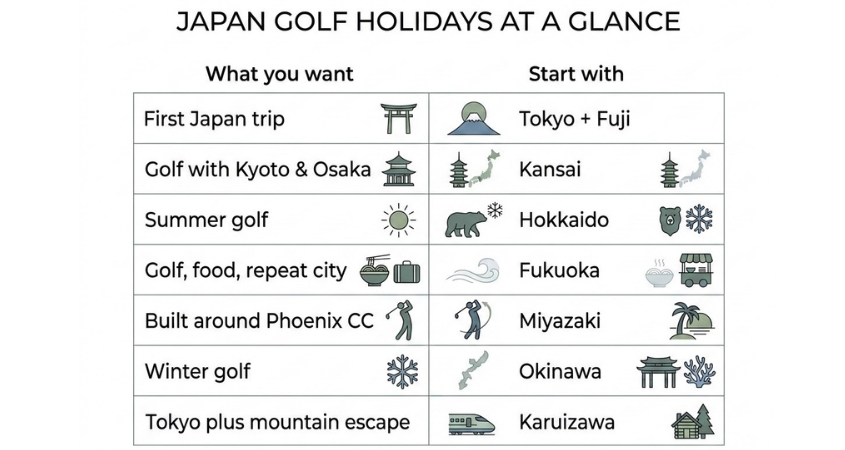
Japan Golf Holidays at a Glance
| What you want | Start with |
| First Japan golf holiday | Tokyo + Fuji |
| Golf with Kyoto and Osaka | Kansai |
| Summer golf | Hokkaido |
| Golf, food and a repeat-Japan city trip | Fukuoka |
| A trip built around Phoenix Country Club | Miyazaki |
| Winter golf | Okinawa |
| Tokyo plus a mountain escape | Karuizawa |
Japan generally works better with three or four well-chosen rounds than with a long list of courses. A course may deserve inclusion because it is exceptional.It may also deserve inclusion because it works brilliantly with the route.The best itineraries usually combine both.
Tokyo + Fuji: The Natural First Japan Golf Trip
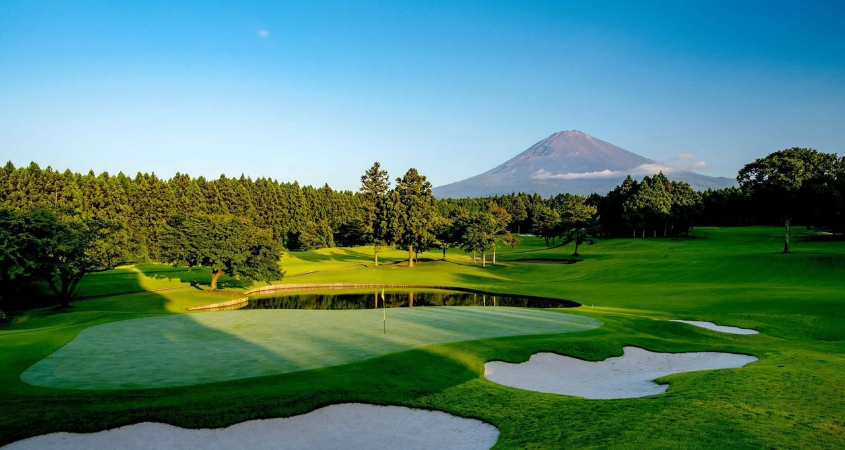
Best for: A first Japan golf holiday
Natural length: 5-7 nights
Best seasons: Spring and autumn
Trip character: Tokyo + Mount Fuji + strong golf
For many Singapore golfers, this is the easiest Japan trip to recommend first.But we would not normally stay in Tokyo and simply drive out and back to three unrelated courses. The journey towards Mount Fuji can itself become part of the golf itinerary.
Narita Golf Club or Narita Hills: use the flight day
A Narita-area round can work very well on arrival or departure day.
Narita Hills Country Club is around 30 minutes from Narita Airport and offers a Pete Dye design rather than merely convenient airport golf.
Narita Golf Club gives us another strong Narita-side option.
The point is not to declare one universally better.
The judgement is:
If the flight timing works, use a good Narita-area course to create an extra golf day without unnecessary backtracking.
PGM Maria Golf Links: when the Tokyo round should be about the Golf
PGM Maria Golf Links in Kisarazu is a Pete Dye design with pronounced undulation, water and strategic bunkering. The club offers both caddie and self-play formats with remote-control GPS carts. It does not belong in every Tokyo itinerary. It becomes interesting when the group wants one particularly strong golf-first round during the Tokyo portion of the trip.
Taiheiyo Club Sagami: golf on the way to Fuji
This is one of the most useful routing ideas.
Instead of:
Tokyo → transfer to Gotemba/Hakone
we can sometimes do:
Tokyo → golf at Taiheiyo Club Sagami → Gotemba/Hakone
The round turns a transfer day into a golf day and moves the group in the right direction.
That is the sort of course selection that improves the entire itinerary.
Once around Gotemba and Hakone
This is where the Fuji golf becomes the focus.
Taiheiyo Club Gotemba West
A very natural Fuji-region choice: strong golf, a Mount Fuji setting and a course that fits comfortably into a Gotemba stay.
Daihakone Country Club
Particularly useful when staying around Hakone or Gotemba.
The golf and the destination work together rather than requiring another long return journey to Tokyo.
Susono Country Club
Susono is another strong Fuji-area possibility.
It is only around 15 minutes from the Susono or Komakado interchanges, so it fits the Gotemba side of the journey well. Access needs to be considered when planning the trip, but when it works, it gives the region another serious round.
Taiheiyo Club Gotemba
This can become an anchor course when access is available. It should be treated as something that elevates the itinerary rather than something every programme must promise.
Kawana Fuji Course
Kawana is a different decision.
Include it when the golfer is prepared to travel farther down the Izu Peninsula because playing Kawana itself is one of the reasons for the trip. Some golfers will happily travel for that course. Others will prefer another day around Fuji, Hakone or Kyoto. Both approaches can work.
A practical Tokyo–Fuji programme
Three rounds
- Taiheiyo Sagami
- Gotemba West
- Daihakone or Susono
Then use Narita Golf Club/Narita Hills if flight timings create an additional golf day.
For a more ambitious trip, add Taiheiyo Gotemba or extend towards Kawana.
Golftripz view
Tokyo + Fuji is the strongest first Japan golf journey.
Use the courses to help the trip move from Tokyo towards Fuji rather than treating every golf day as a separate excursion.
Kansai: Golf With Kyoto, Osaka and Kobe
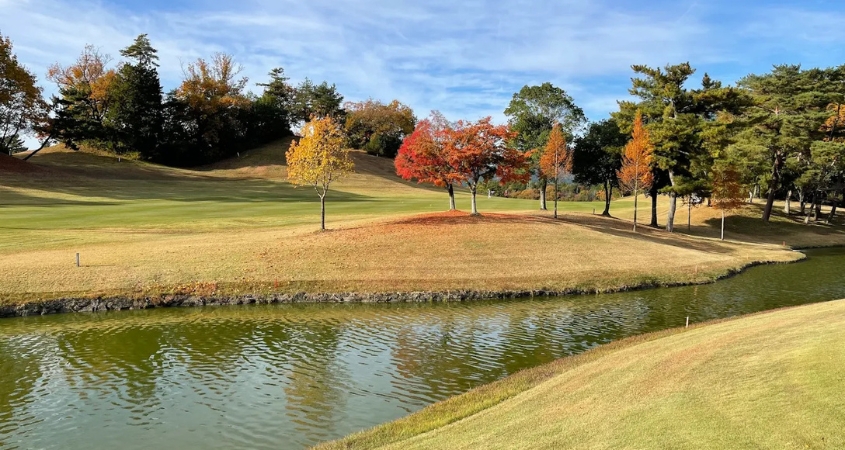
Best for: Golf plus a wider Japan holiday
Natural length: 5-7 nights
Best seasons: Spring and autumn
Trip character: Golf + Kyoto + Osaka + food
Kansai works when the group wants excellent golf but also wants Japan beyond the course. The best course combination depends heavily on whether the trip is centred on Kyoto, Osaka, Kobe or Arima.
Seta North: the Kyoto round
Seta Golf Course North is the obvious Kyoto-side anchor.
It was designed by Seiichi Inoue, has hosted the TOTO Japan Classic, and is played with a course attendant/caddie.
More importantly, it works naturally from Kyoto.
That makes it a better itinerary choice than adding a more famous course that creates an unnecessarily difficult day.
Golden Valley: when the golf earns the journey
Golden Valley Golf Club belongs in the programme for a different reason.
This is a more golf-first choice – a round worth making a dedicated day for.
Not every course has to be convenient.
A genuinely good course can justify the journey.
Rokko Kokusai: use Kobe intelligently
Rokko Kokusai makes particular sense when Kobe forms part of the trip.
It gives the programme another serious championship-style round while supporting a different Kansai base.
Osaka Golf Club: very useful towards Kansai Airport
Osaka Golf Club has historic Japanese character and a seaside setting.
But its location also creates a useful itinerary possibility:
Kyoto/Osaka → golf → Kansai Airport
A good course can solve a travel day rather than complicate it.
Arima Royal: golf followed by onsen
Arima Royal becomes particularly attractive when Arima Onsen is genuinely part of the holiday.
Golf followed by an onsen stay creates a very different Japan golf day from simply returning to an Osaka hotel.
Ono and Nara International
Both belong in the conversation for a more golf-led Kansai trip.
They should be treated as excellent opportunities where access works rather than courses around which every standard itinerary is constructed.
Kansai course pool
A realistic programme might draw from:
- Seta North
- Golden Valley
- Rokko Kokusai
- Osaka Golf Club
- Arima Royal
With Ono or Nara International added where appropriate.
Golftripz view
Choose Kansai when Japan outside the golf course matters just as much as the golf.
There is no universal best three.
The correct combination changes depending on whether the trip is really about Kyoto, Osaka, Kobe, onsen – or golf itself.
Hokkaido: More Than Just Cooler Summer Golf
Best for: Summer
Natural length: 4-6 nights
Trip character: Open golf, Sapporo evenings and a different golf-day rhythm
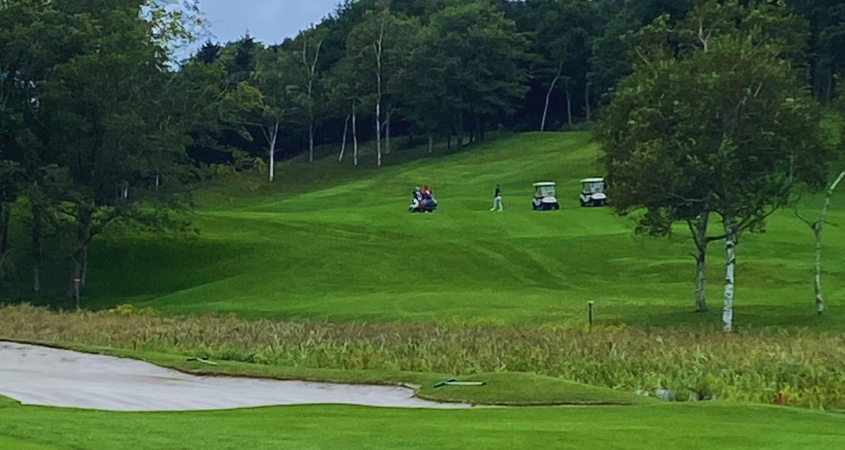
Hokkaido is an obvious summer alternative because it is generally cooler and less humid than much of central Japan.
But there is another reason golfers from Singapore may particularly enjoy it:
through-play.
Many Hokkaido courses operate morning and afternoon sessions with 18 holes played continuously rather than stopping for the traditional Japanese lunch break after nine.
That changes the holiday.
An early round can leave a genuine afternoon and evening free.
North Country or Hokkaido Brooks: make New Chitose work for you
The North Country Golf Club is only around 15 minutes from New Chitose Airport. It includes caddie play and a five-person passenger cart, making it particularly useful around arrival or departure.
Hokkaido Brooks provides another strong airport-side possibility.
Instead of:
Airport → Sapporo → hotel → golf tomorrow
a four- or five-night trip can sometimes begin:
New Chitose → golf → Sapporo
Sapporo Teine: the Sapporo round
Sapporo Teine gives golfers an elevated setting and views towards Ishikari Bay while remaining practical from Sapporo.
For a group that wants food and evenings in the city, that matters.
Hanazono: play it when Niseko is part of the trip
Hanazono should not automatically be added to a Sapporo programme merely because the scenery is attractive.
If the group wants Niseko, stay there and play Hanazono.
Then the golf, mountain setting and resort experience all support each other.
Golftripz view
Hokkaido is not simply “Japan with cooler weather.”
Summer conditions, through-play and courses close to New Chitose can make the entire golf holiday feel more efficient and relaxed than a traditional mainland Japan trip.
Fukuoka: Golf, Food and a Very Easy Repeat-Japan Trip
Best for: Repeat Japan visitors
Natural length: 4-6 nights
Trip character: Golf + Fukuoka + food
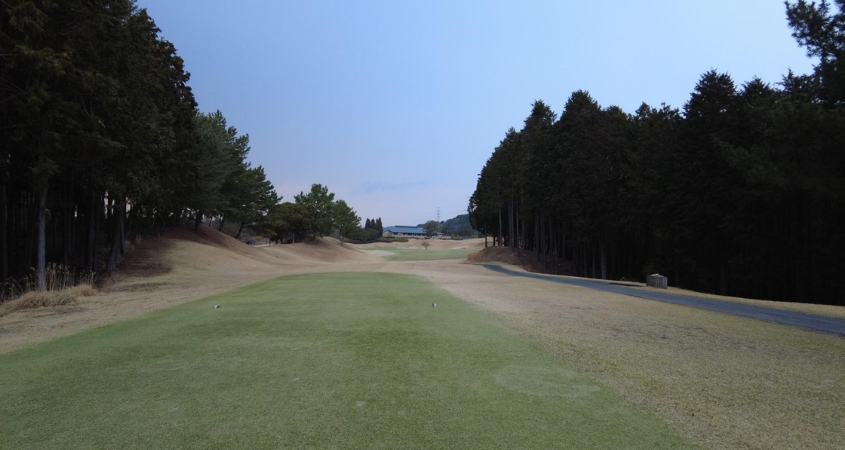
Fukuoka deserves to stand on its own rather than being hidden inside a broad “Kyushu” section.
The city gives the evenings plenty of purpose, while northern Kyushu has enough golf to build a proper three-round trip without continually changing hotels.
The Classic Golf Club
This is the obvious anchor course.
It gives the trip pedigree and a round worth building around.
JR Uchino Country Club
JR Uchino should be part of the core Fukuoka consideration set.
The course uses the natural undulation of its wooded site while keeping the individual holes relatively level, creating a strong but playable inland Japanese golf experience.
Aso Iizuka
Another useful northern-Kyushu option and one that gives the trip enough depth to avoid forcing a journey farther south.
Fukuoka Century
A further alternative depending on availability, group and the balance we want between golf quality and daily travel.
A practical Fukuoka three
A strong starting point is:
The Classic → JR Uchino → Aso Iizuka
with Fukuoka Century as another option.
Golftripz view
Fukuoka works particularly well for golfers who already know Japan.
The golf is serious enough to justify the trip, but the destination is not asking you to sacrifice the food and evenings simply to chase courses.
Miyazaki: Travel for Phoenix
Best for: A course-led Japan golf trip
Natural length: 3-5 nights
Trip character: Resort golf
Miyazaki is one of the easiest Japanese golf destinations to explain.
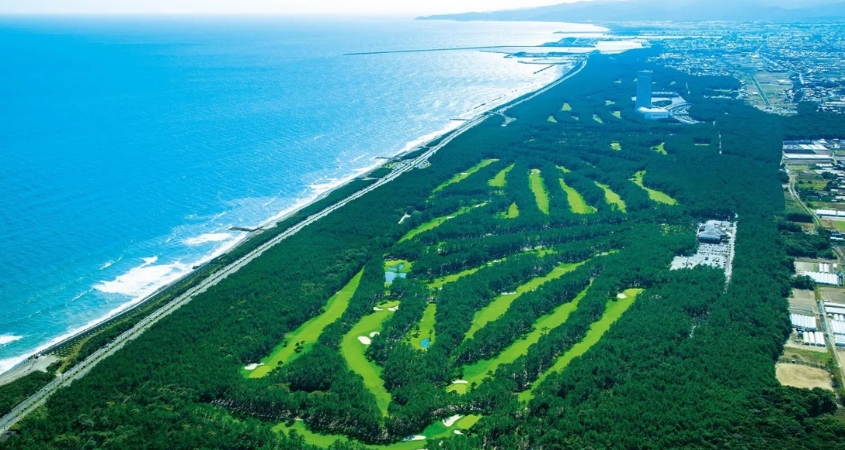
The reason to go is Phoenix Country Club.
Phoenix Country Club
Phoenix is the anchor.
Build the trip around it rather than treating it as one course among many.
Tom Watson Golf Course
Tom Watson is the natural second round because it sits within the same broader Seagaia resort environment.
Miyazaki Lakeside Golf Club
Miyazaki Lakeside completes the programme with a different course experience rather than repeating resort golf.
The Miyazaki three
Phoenix Country Club → Tom Watson Golf Course → Miyazaki Lakeside
Golftripz view
Go to Miyazaki because you want to play Phoenix.
Tom Watson and Miyazaki Lakeside then turn that one anchor round into a proper three-round golf holiday.
No need to make the proposition more complicated than that.
Okinawa: Japan’s Winter Golf Alternative
Best for: Winter
Natural length: 3–5 nights
Trip character: Coastal and resort golf
Okinawa performs a completely different role from Tokyo or Kansai.
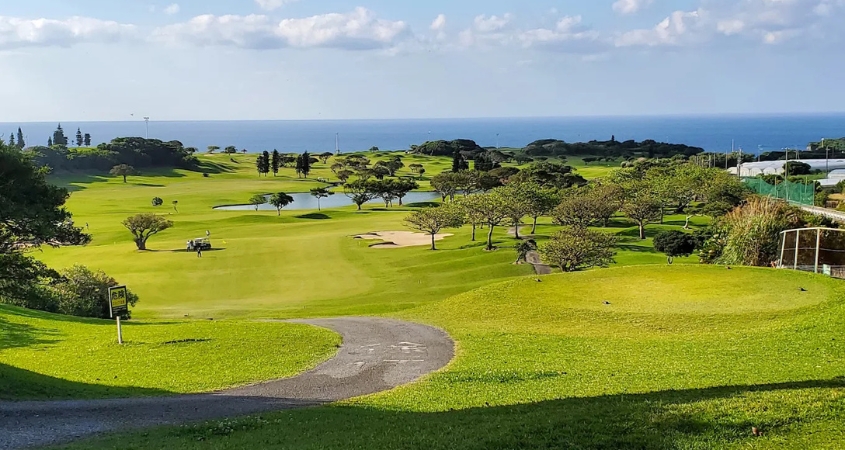
Its subtropical climate keeps outdoor activity comfortable during winter when much of Japan is cold.
And, as in Hokkaido, through-play is much more commonly available than on traditional mainland Japanese golf itineraries.
That can create a more flexible golf day.
Southern Links: use the Naha end of the trip
Southern Links gives the holiday dramatic coastal golf and works particularly well around the Naha side of the itinerary.
PGM Golf Resort Okinawa
PGM gives the central resort belt a serious golf option, with 27 holes overlooking the East China Sea and a choice of caddie or self-play.
Atta Terrace
A natural option when the group is staying around the Onna resort area.
Here, hotel and course selection should happen together.
Kanucha
Kanucha makes more sense when northern Okinawa forms part of the holiday.
It should not automatically become a long day trip from Naha just because it is another recommended golf course.
A practical Onna-based programme
Southern Links → PGM Okinawa → Atta Terrace
For a northern stay, bring Kanucha into the route.
Golftripz view
Okinawa works because winter golf and resort time fit naturally together.
The objective is not to cover the entire island collecting course names.
What Does Playing Golf in Japan Actually Feel Like?
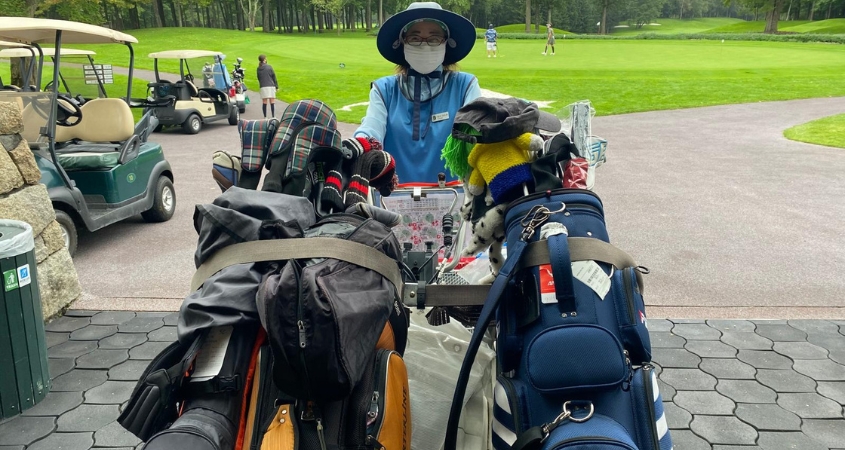
This is where Japan differs considerably from many golf holidays in Southeast Asia.
1. Japan is easiest with three or four golfers
Do not assume every course will happily accept a two-ball. Two-player golf is available at some clubs, often with a surcharge, but many courses or booking plans require a minimum of three players.
At North Country in Hokkaido, for example, twosomes are restricted to particular months and weekdays, while Saturdays, Sundays and holidays require at least three players.
For couples or two friends, that means the choice of course can sometimes be narrower. Three or four golfers per flight is the easiest format around which to build a Japan golf trip.
2. The caddie works with the group
Japan does not generally follow the Thailand or Vietnam model of one caddie per golfer.
Where caddie play is offered, the service is normally organised around the flight, with the cost often varying according to whether there are two, three or four bags.
North Country, for example, includes a caddie and five-person cart and applies surcharges for smaller groups.
A Japanese caddie can add considerable value on an unfamiliar course.
But do not assume the caddie speaks English. INTO specifically recommends confirming English capability when booking.
That does not mean the experience will be difficult. Distances, clubs, putting lines and golf have a language of their own.
It simply means golfers should not expect the same conversational caddie experience they might have elsewhere in Asia.
3. The group will often share one cart
A typical Japanese golf cart is a four- or five-seat vehicle shared by the flight.
At many courses it runs on a fixed cart path and can be moved remotely or automatically using electromagnetic guidance.
Yamaha, one of the major Japanese manufacturers, produces five-seat carts that automatically follow a predetermined route at the touch of a button.
North Country is a good real-world example: its five-person electromagnetic-induction carts remain on the cart path.
So:
“Cart included” does not necessarily mean driving to your ball.
For golfers with mobility concerns, confirm in advance whether the course allows fairway access or only fixed cart paths, as this varies significantly.
4. The traditional golf day includes lunch after nine
Across much of Japan, the normal format remains:
9 holes → lunch → 9 holes
JNTO notes that an approximately hour-long lunch break remains typical at many 18-hole courses.
That makes golf an all-day activity.
Do not plan a major afternoon sightseeing programme after a normal Tokyo/Fuji or Kansai round and assume it will comfortably fit.
5. Hokkaido and Okinawa can feel very different
Hokkaido is the clearest exception.
Through-play is common, with courses often operating separate morning and afternoon 18-hole sessions.
Okinawa also offers more continuous-play and resort-style golf than golfers normally encounter on Honshu, although the exact format should always be checked for the chosen course.
This difference in pace is one of the reasons Hokkaido and Okinawa should be thought of as different kinds of Japanese golf holidays — not simply different climates.
6. Not every famous course is realistically accessible
Japan has outstanding private golf clubs.
Some welcome overseas visitors.
Some have particular visitor arrangements.
Others remain difficult to access.
JNTO itself notes that a number of prestigious Japanese clubs are members-only or have restricted non-member play.
There is little value designing a dream itinerary around courses the group cannot actually play.
7. Golf bags do not need to follow you everywhere
One of Japan’s great advantages for a multi-city golf trip is luggage forwarding.
Golf bags can be sent ahead to the next hotel or golf course while the golfer moves between cities with ordinary luggage.
This becomes particularly useful on itineraries such as:
Tokyo → Fuji → Kyoto
where carrying full golf bags through stations and onto trains adds very little to the holiday.
Which Japan Golf Trip Should You Choose?
First Japan golf holiday
→ Tokyo + Fuji
Golf plus Kyoto and Osaka
→ Kansai
Summer golf with through-play
→ Hokkaido
Golf + food + repeat Japan
→ Fukuoka
Travel specifically for Phoenix
→ Miyazaki
Winter resort golf with a more flexible golf day
→ Okinawa
Tokyo plus mountain golf
→ Karuizawa
Japan has enough golf to keep adding courses indefinitely.
That is not necessarily the objective.
The better question is:
Which courses make this particular Japan journey better?
Sometimes the answer is the course with the biggest reputation.
Sometimes it is the course that lets you play while travelling from Tokyo towards Mount Fuji.
Sometimes it is the one fifteen minutes from the airport that turns a wasted half-day into a round.
And sometimes the right decision is to leave a famous course out.
That is where a Japan golf itinerary becomes more than a list of tee times.
Ready to Plan your Japan Golf Holiday?
Tell us your preferred season, group size and travel style, and we’ll build a tailored itinerary around the right region and courses for you.
Frequently Asked Questions
How many nights should I allow?
Five to seven nights works well for Tokyo/Fuji or Kansai. Hokkaido and Fukuoka can work over four to six nights, while Miyazaki and Okinawa can work well over three to five.
Can two golfers play in Japan?
Yes at some courses, but not everywhere. Twosomes may incur surcharges or be unavailable on particular days. Groups of three or four generally have a wider course choice.
Do Japanese golf courses have caddies?
Many do, although caddie play varies by course. The caddie typically works with the group rather than being assigned individually to each golfer. English-speaking caddies should not be assumed.
Are golf carts used in Japan?
Yes. A common format is one four- or five-seat cart shared by the group. Many carts follow fixed cart paths and may be remotely or automatically controlled rather than driven freely across the fairway.
Do you stop for lunch after nine holes?
Across much of Japan, yes. A substantial halfway lunch remains common. Through-play is much more prevalent in Hokkaido and is also frequently available in Okinawa.
When is Hokkaido best for golf?
Hokkaido is primarily a summer golf destination. Its lower humidity, generally milder summer conditions and prevalence of through-play make it particularly attractive during months when central Japan can be hot.
Why consider Okinawa for golf?
Okinawa gives golfers a Japanese golf option in winter, with coastal and resort courses and a more relaxed golf-day format than many traditional mainland courses.